How to Choose the Right Candle Wax: Soy, Coconut, Beeswax, and Blends
Sep 12, 2026If you are learning how to start a candle business, the very first decision you have to make is also one of the most confusing: what wax do I pour? I remember standing at our kitchen table back during the pandemic, staring at four bags of different wax, completely stuck. My husband Chad and I had spent way too much money on samples, and every video and forum said something different. So I want to save you that headache. Here is how we actually chose our wax at Garsnett Beacon Candle Co., and how you can pick the right one without burning through your budget.
Why the wax decision matters more than people think
Your wax is not just the stuff that melts. It decides how well your candle throws scent when it is cold on the shelf and when it is lit in someone's living room. It decides how clean the burn looks, how smooth your tops set up, how much fragrance you can safely add, and honestly, how much each candle costs you to make. When we switched waxes early on, everything downstream changed: our wick sizes, our cure times, even our pour temperature. So do not treat this like a small choice. Get it close to right early, and you save yourself months of retesting.
The main candle waxes, and who each one is for
Let me break down the options the way I wish someone had broken them down for me.
- Soy wax. This is where most makers start, and for good reason. It is natural, renewable, forgiving to work with, and it takes color and fragrance well. It burns slower and cooler than paraffin. The tradeoff is that soy can be moody: frosting, wet spots against the glass, and a hot throw that is good but not always knock-you-over strong. We started on soy and still love it for a clean, natural story.
- Coconut and coconut blends. Coconut wax and coconut-soy or coconut-apricot blends have gotten really popular, and I get why. They tend to have a gorgeous creamy look, excellent scent throw, and a luxury feel that lets you charge a bit more. They usually cost more per pound, so your cost of goods goes up. If you are building a premium brand, this is worth testing.
- Paraffin. Paraffin gets a bad reputation online, but it is still used by a huge number of professional brands because it throws scent beautifully and is very consistent. It is petroleum based, which does not fit every brand story. If maximum hot throw at a lower cost is your goal, do not rule it out.
- Beeswax. Beeswax is beautiful, natural, and burns very clean with a subtle honey note. It is expensive, harder to scent strongly, and firmer to work with. It is a niche premium choice more than a starter wax.
- Parasoy and other blends. Blends combine the throw of paraffin with the softer, natural feel of soy. A lot of makers land here once they have tested enough. Blends can give you the best of both worlds, which is exactly why so many established brands quietly use them.
How we actually chose our wax
Here is the honest version. We did not pick our wax off a spec sheet. We picked three or four candidates, poured the exact same fragrance in each at the same load, wicked them the same way, and then we burned them side by side over a couple of weeks. We wrote down cold throw, hot throw, how the top looked after burning, and how it made us feel picking it up. The wax that won was not the cheapest and it was not the most expensive. It was the one that made our signature scents smell the way we wanted in a real room.
That is the lesson I want you to take: your wax choice is only real once you have burned it in your own space with your own fragrance. Reviews and comparison charts are a starting point, not the answer. What performs beautifully in someone else's studio in a dry climate might behave totally differently in your humid garage.
Do not forget the cost side
When you compare waxes, do not just compare the price per pound. Compare the finished cost per candle. A wax that costs a little more but lets you use a slightly lower fragrance load, cures faster, and produces fewer rejects can actually be cheaper in real life. Early on we had a wax that was cheap per pound but gave us so many failed pours that our true cost was higher than the premium option. Run your real numbers before you commit. Our free candle business calculators make this part painless, and they will show you exactly what each wax does to your margin.
Once you have a few waxes in testing, keeping the cost side straight gets a lot easier when it all lives in one place. In our business, every wax test and recipe goes into Makers Manager, the software I co-founded, and it shows us the true cost per candle for each version we are comparing. If you want to try it, use code CBP7DAYS for 7 days free.
A simple way to decide today
- Pick your brand story first. Natural and clean? Lean soy, coconut, or blends. Maximum throw at lower cost? Do not fear paraffin or parasoy.
- Buy small. Get sample sizes of two or three waxes, not fifty pounds of one. Protect your budget while you learn.
- Test one fragrance across all of them. Same scent, same load, same vessel, same wick series. Change one variable at a time.
- Burn and take notes. Cold throw, hot throw, appearance, burn quality. Let each one cure fully first, because an uncured candle lies to you.
- Run the cost. Whichever wax wins on performance, confirm it works on paper too.
That process is exactly what took us from a confused couple at a kitchen table to a brand with 170 plus wholesale accounts and multiple brick and mortar stores here in Holland, Michigan. It was not magic. It was picking a wax, testing it honestly, and building everything else on top of that foundation.
Grab the tools and keep going
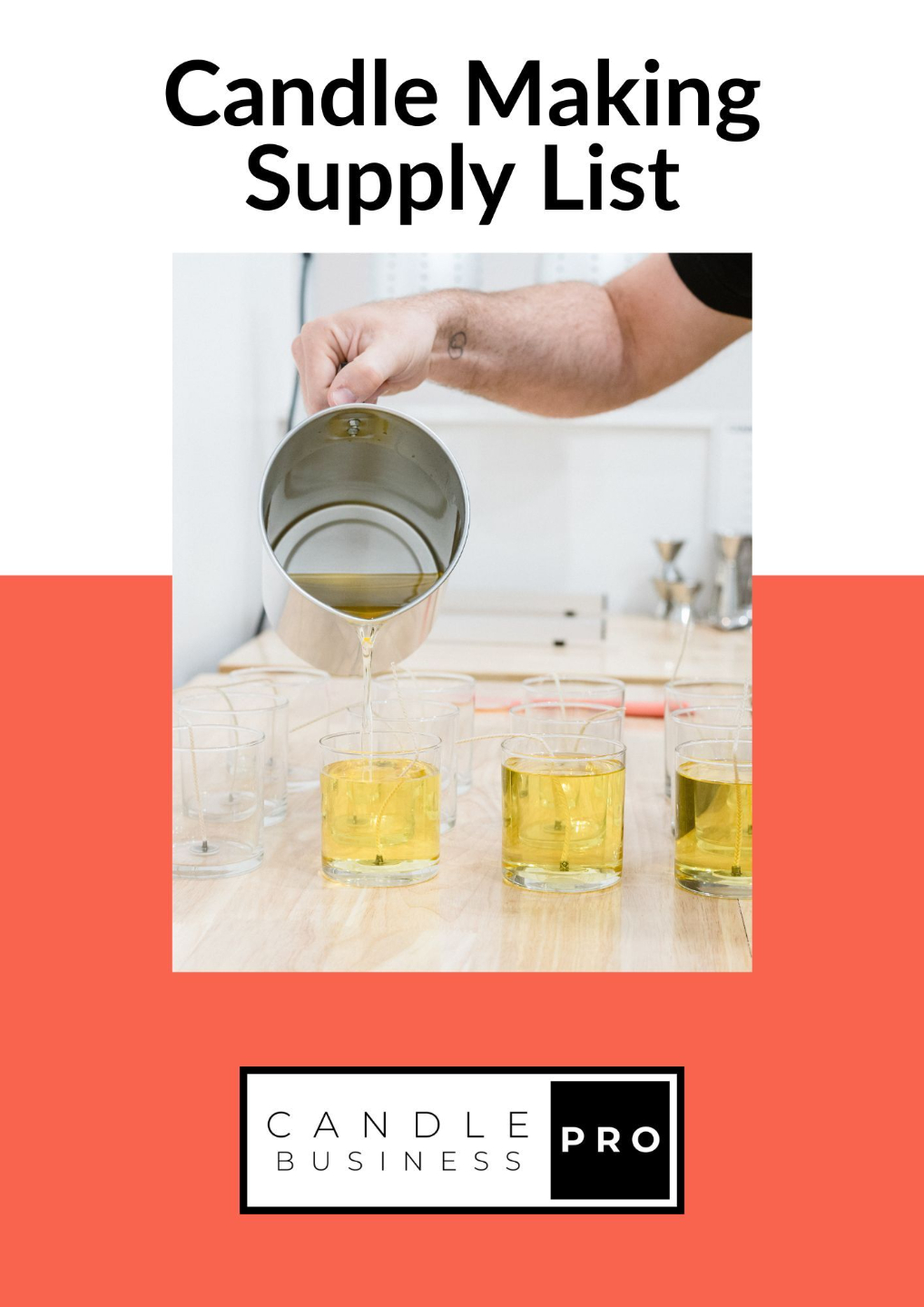
If you are still gathering your gear, start with our free candle making supply checklist so you know exactly what to buy and where. When you are ready for the full roadmap, our 10 step guide to starting a candle business walks you through every stage. And if you want to see the kind of candles all this testing produces, take a peek at our own shop over at Garsnett Beacon.
Have a wax question or want a second opinion on your test results? Come hang out with us and thousands of other makers in our free Candle Business PRO Facebook group. Drop your comparison photos in there. We love this stuff, and picking your wax is the first real step toward a candle business that actually works.
Meet The Author