How We Set Up Our Candle Making Workspace: From a Kitchen Table to a Production Studio
Aug 03, 2026We set up our candle making workspace the same way at every stage: separate zones for melting, pouring, curing, and packing, arranged so candles move in one direction from raw materials to finished boxes. That simple flow worked on our kitchen table, and it still works in our production studio today. The tools got bigger, but the layout logic never changed.
My husband Chad and I started Garsnett Beacon Candle Co. at our kitchen table during the pandemic, and in those early days every batch meant clearing dinner plates, laying down paper, and packing it all away again before bed. As we grew into wholesale and eventually our storefronts in West Michigan, we had to rethink our space more than once. Here is what we learned along the way, so you can set up a workspace that fits where you are right now.
Start with workflow, not furniture
Before you buy a single shelf, map out the life of one candle. Wax and fragrance come in, get melted and mixed, go into prepped vessels, cure, get labeled, and get packed or shelved. Every one of those steps needs a home, and the homes should sit in that order. When your space follows the path of the candle, you stop walking back and forth across the room and you stop setting hot pitchers down in places they don't belong.
At the kitchen table, our "zones" were just sections of the table and a nearby counter. That's fine. The point is to give each step its own spot, even if that spot is a cookie sheet.
The kitchen table setup
If you're just starting, here's the bare minimum that made our early batches smoother.
- A protected surface. Kraft paper or a silicone mat over your table saves you from scraping wax off everything later.
- A dedicated melting method. A pouring pitcher in a double boiler works for small batches. Keep candle tools separate from cooking tools for good.
- A scale and a thermometer. Weigh everything. Fragrance load is a percentage of the total candle weight, so accurate weights are what make your recipe repeatable.
- Sheet pans for pouring. Set your wicked vessels on a sheet pan so drips land on the pan and you can move a whole batch at once.
- A safe spot to cure. A shelf away from drafts, kids, and pets where candles can sit undisturbed.
If you're not sure what to buy yet, our free candle making supply checklist covers what you need now versus what can wait.
Signs you've outgrown the kitchen
We knew it was time to move when the candle business started taking over the house. A few signals to watch for:
- You're packing up and setting up your supplies more often than you're actually pouring.
- Your batch size is limited by how many jars fit on the counter, not by demand.
- Cases of wax and boxes of vessels are living in hallways and closets.
- Wholesale or seasonal orders mean you need to pour, cure, and pack at the same time.
Whether your next step is a spare room, a basement, a garage you can keep at a steady temperature, or a rented studio, the same zones apply. You just get to make each one bigger.
How we lay out a production studio
Here are the zones we build around now, in the order a candle moves through them.
1. Receiving and storage
Wax, fragrance oils, vessels, wicks, and labels live on shelves off the floor, organized so the oldest stock gets used first. Fragrance oils stay capped in a cool, dark spot, and every case gets the date it arrived written right on it.
2. Vessel prep
A table close to the pour station where jars get cleaned, wicked, and warmed. Having this right next to pouring means warm jars go straight under the spout.
3. Melting
This is where a real melter changes everything. We use ToAuto wax melters, and they're one of the best upgrades we've ever made. They're insulated, they hold temperature without babysitting, and the spout pours clean. We run more than one so each melter can stay dedicated to a single wax, which means no cleaning between batches. If you're shopping, our wax melter guide walks through the sizes.
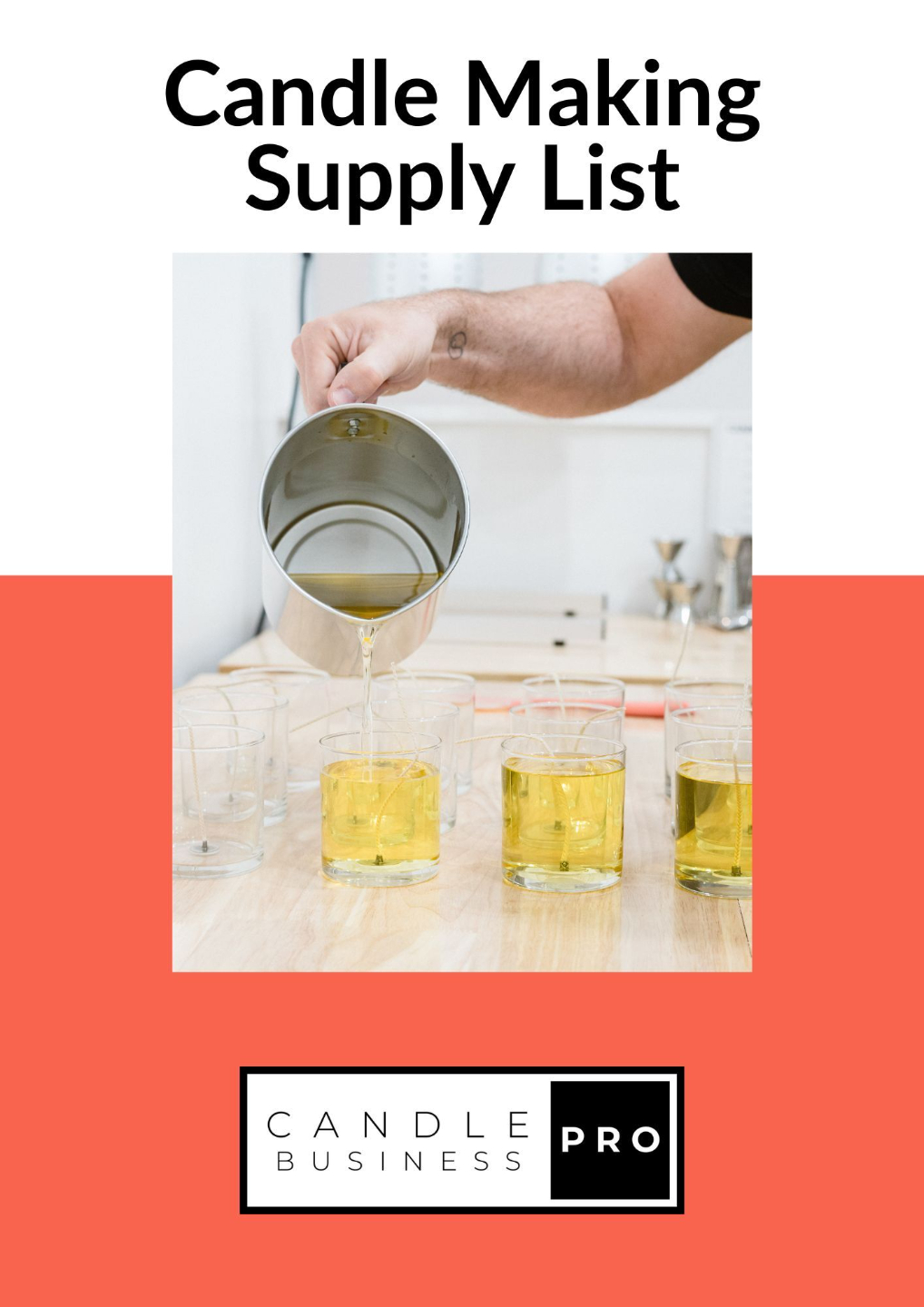
4. Pouring
A long, sturdy table at a comfortable height, with your thermometer, scale, and fragrance within arm's reach. Pouring is where temperature control matters most, and our guide on how to pour candles the right way covers the details. You don't need fancy mixing gadgets here, either. We stir fragrance into wax by hand.
5. Curing
Rolling racks or sturdy shelving in a spot with steady temperature and no drafts. Label each tray with the scent and pour date so you always know when a batch is ready.
6. Labeling and packing
A clean zone, well away from wax drips, with labels, boxes, and shipping supplies organized by order type. Keeping wholesale cases and online orders in separate areas has saved us from more than one mix up.
Track your batches, not just your space
A great layout only helps if you know what's moving through it. As we grew, keeping track of which batch was curing, which was ready, and what each one cost got harder than the pouring itself. That's a big reason I co-founded Makers Manager. It tracks our recipes, batches, and materials so production days start with a plan instead of a guess. You can try it free for 7 days with code CBP7DAYS. If you want to plan batch sizes and costs before you scale up, our candle calculators are a great free starting point too.
Safety and comfort basics
- Keep a Class B fire extinguisher within reach, never use water on a wax fire, and never leave melting wax unattended.
- Ventilate your space, especially when you're working with fragrance oils all day.
- Use anti-fatigue mats where you stand to pour. Your back will thank you after a long production day.
- Keep walkways clear. Hot wax and tripping hazards don't mix.
Workspace questions we hear a lot
Can I legally make candles in my kitchen?
Many makers start at home. Check your local zoning and your insurance policy, and keep candle tools completely separate from food prep.
What's the first equipment upgrade worth making?
A dedicated wax melter. It saves more time than almost anything else you can buy, and it makes your pours more consistent batch after batch.
How much space do I need to move out of the kitchen?
Less than you think. A spare room with good shelving, a long table, and a steady temperature can handle a lot of production if your zones are organized.
Your workspace will keep changing as your business grows, and that's a good thing. Build around the flow of the candle, and every new space gets easier to set up. If you want to see our studio in action, we share real walkthroughs on our YouTube channel.
Meet The Author